
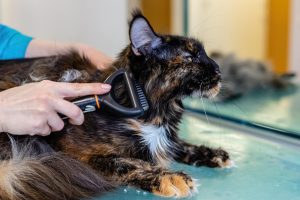
Grooming a cat is part hygiene, part bonding, and part “trying not to get swiped at.” While cats are famously self-sufficient cleaners, a little human intervention goes a long way in preventing hairballs and keeping their coat healthy.
Here is a guide to making the process smoother for both of you.
1. The Right Tools for the Job
Not all fur is created equal. Using the wrong brush is like trying to detangle a bird’s nest with a toothbrush—it won’t end well.
-
Short-Haired Cats: A rubber brush or a fine-toothed comb works best to remove loose hair.
-
Long-Haired Cats: You’ll need a slicker brush and a wide-toothed comb to get through the undercoat where mats hide.
-
The “Secret Weapon”: A damp microfiber cloth can mimic a mother cat’s tongue, which often calms them down while picking up surface dander.
2. Timing is Everything
Never try to groom a cat when they are in “zoomie” mode or staring intently at a bug.
-
Wait for the Lull: Aim for that post-meal window when they are sleepy and content.
-
The “Low-Stakes” Start: Start by petting them where they like it (usually the chin or ears), then sneak in a few brush strokes.
-
Stop While You’re Ahead: If the tail starts lashing or the ears go flat, stop immediately. You want them to associate grooming with relaxation, not a wrestling match.
3. Tackle the “Trouble Zones”
Cats are usually fine with you brushing their backs, but they get defensive about “high-security” areas:
-
The Belly: This is a vulnerable spot. Be extremely gentle and use soft strokes.
-
The Armpits: Long-haired cats often get mats here due to friction.
-
The Hindquarters: Loose fur tends to pile up near the base of the tail.
4. Nail Trimming Hacks
If the thought of clipping nails gives you anxiety, you aren’t alone.
-
The “Burrito” Method: Wrap your cat snugly in a towel, leaving only one paw out at a time.
-
The Paw Squeeze: Gently press the pad to extend the claw.
-
Avoid the Quick: Only snip the clear, curved tip. Avoid the pink part (the quick), as it contains nerves and blood vessels.
Comparison: Brushing vs. Bathing
| Feature | Brushing | Bathing |
| Frequency | 2–3 times a week | Rarely (only if soiled/sticky) |
| Stress Level | Low to Medium | High (usually) |
| Main Benefit | Reduces shedding & hairballs | Removes odors or toxins |
| Necessity | Essential for long-hair breeds | Optional for most healthy cats |
Pro Tip: Keep a bag of high-value treats nearby. If they get a snack every time the brush comes out, they’ll eventually start “requesting” grooming sessions.

1 comment
WOW those are some great tips!